%2Ffit-in%2F250x250%2Fguide_websites%2F56714%2Fimages%2F1763516407260outpostalphalogo.jpg&w=1920&q=100)
/users/4da868ef-85d6-44fe-a4c7-76c4d4736d25/ratecard/558876318_776433595162857_6858860988789836004_n-mi5blpb9.jpg)
%2F300x300%2Fusers%2F4da868ef-85d6-44fe-a4c7-76c4d4736d25%2Fratecard%2F558876318_776433595162857_6858860988789836004_n-mi5blpb9.jpg&w=256&q=75)
%2F300x300%2Fusers%2F4da868ef-85d6-44fe-a4c7-76c4d4736d25%2Fimages%2Fredfish-caught-florida-2456.jpg&w=256&q=75)
%2F300x300%2Fusers%2F4da868ef-85d6-44fe-a4c7-76c4d4736d25%2Fimages%2Fsuccessful-fishing-florida-2470.jpg&w=256&q=75)
%2F300x300%2Fusers%2F4da868ef-85d6-44fe-a4c7-76c4d4736d25%2Fimages%2Fsheepshead-fishing-fl-2520.jpg&w=256&q=75)
%2F300x300%2Fusers%2F4da868ef-85d6-44fe-a4c7-76c4d4736d25%2Fimages%2Ffishing-adventure-florida-2424.jpg&w=256&q=75)
%2F300x300%2Fusers%2F4da868ef-85d6-44fe-a4c7-76c4d4736d25%2Fimages%2Fanglers-land-black-drum-florida-2357.jpg&w=256&q=75)
%2F300x300%2Fusers%2F4da868ef-85d6-44fe-a4c7-76c4d4736d25%2Fimages%2Fredfish-caught-fl-2649.jpg&w=256&q=75)
%2F300x300%2Fusers%2F4da868ef-85d6-44fe-a4c7-76c4d4736d25%2Fimages%2Fredfish-florida-fishing-2438.jpg&w=256&q=75)
%2F300x300%2Fusers%2F4da868ef-85d6-44fe-a4c7-76c4d4736d25%2Fimages%2Fspotted-weakfish-st-marks-fishing-2369.jpg&w=256&q=75)
%2F300x300%2Fusers%2F4da868ef-85d6-44fe-a4c7-76c4d4736d25%2Fimages%2Fsheepshead-fishing-florida-2395.jpg&w=256&q=75)
%2F300x300%2Fusers%2F4da868ef-85d6-44fe-a4c7-76c4d4736d25%2Fimages%2Fredfish-caught-st-marks-2453.jpg&w=256&q=75)
World-Class Inshore Fishing in St. Marks, FL
What you will be catching:
 Cobia
Cobia Redfish
 Sea Trout
 Black Drum
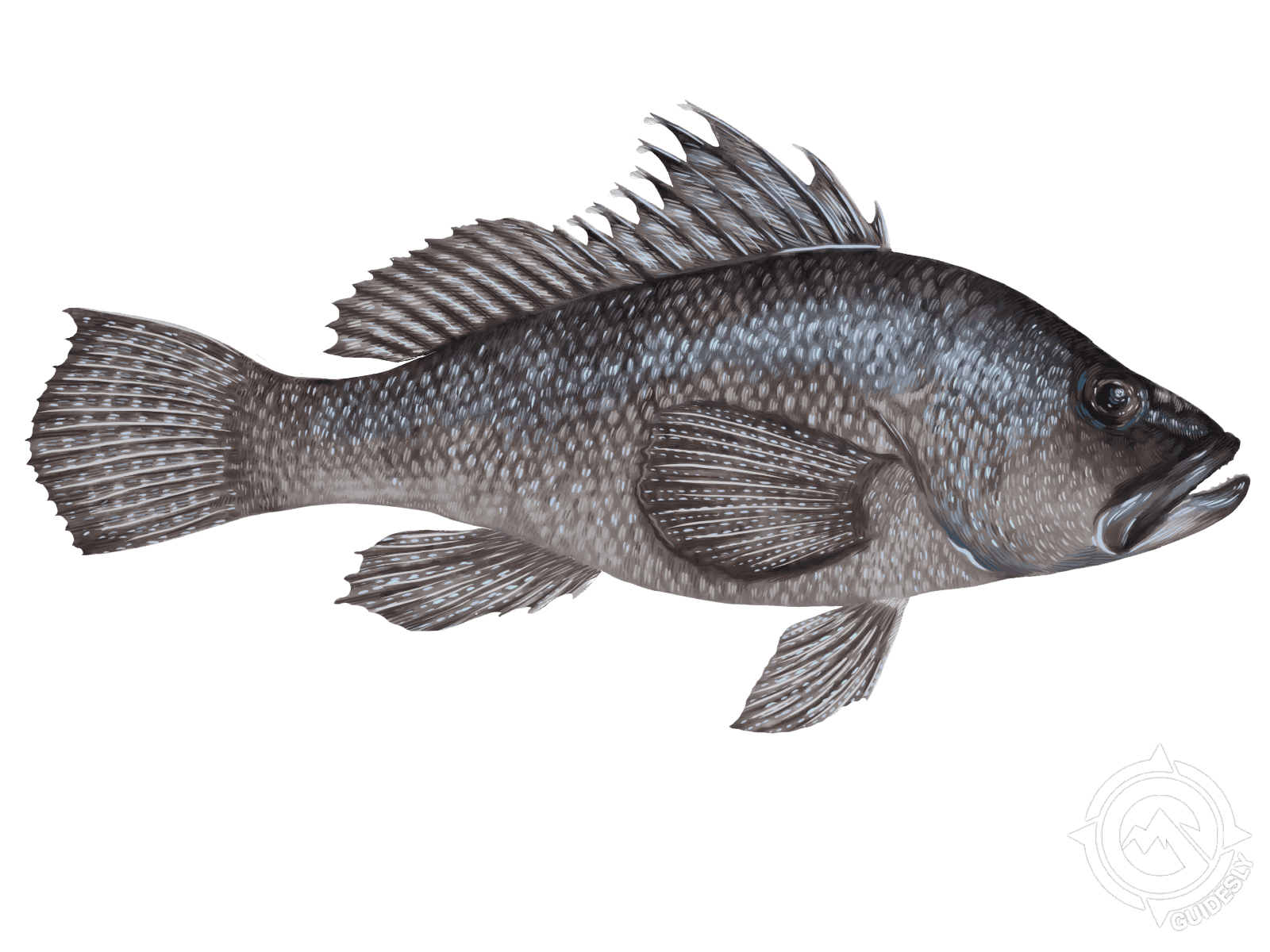
 Black Sea Bass
- 6-hour advanced fishing targeting trophy redfish and sea trout
- Expert Captain Leigh Wills guides scenic St. Marks flats exploration
- All tackle provided; accommodates 2-4 anglers with Florida license
Trip Pricing and Availabilities:
Half Day Advanced Fishing Trip In St. Marks
Captain Leigh Wills knows St. Marks waters like the back of his hand, and this 6-hour advanced fishing trip puts that knowledge to work for serious anglers. You're not getting a basic intro here – this is designed for folks who know their way around a rod and want to push their skills further. We're talking trophy redfish, hefty sea trout, and some surprises that'll test your drag system. With room for up to four anglers on each trip, you get personalized attention without feeling crowded. Fair warning though – you need at least two seats booked to get this boat moving, so bring a buddy or be ready to share the deck with fellow fishing enthusiasts.
What to Expect on the Water
This isn't your average half-day charter where you sit and wait for something to bite. Captain Leigh runs an active operation that covers serious ground across St. Marks' diverse fishing zones. You'll work both the shallow flats where redfish cruise in skinny water and the nearshore structure where bigger fish hang out. The boat moves strategically throughout the day, following tides, bait schools, and seasonal patterns that only come from years of local experience. Expect to switch techniques as conditions change – one hour you might be sight-fishing with light tackle, the next you're working deeper water for drum and cobia. All tackle comes included, but you'll need your Florida saltwater license before stepping aboard. Captain Leigh provides the local intel that turns good fishing days into great ones.
Advanced Techniques & Terrain
St. Marks offers some of Florida's most diverse inshore fishing, and this trip takes full advantage of that variety. You'll work oyster bars, grass flats, channel edges, and nearshore structure using techniques that match each environment. Sight-fishing with artificial lures dominates the shallow work – think topwater plugs at dawn and soft plastics worked along drop-offs. When targeting bigger fish in deeper water, expect live bait presentations and heavier tackle that can handle the pull of a good-sized cobia or oversized drum. The captain reads water conditions constantly, adjusting anchor positions and bait presentations based on tide movement and fish behavior. This hands-on approach means you're learning advanced techniques while actually catching fish, not just hearing about them. The boat carries quality gear suited for everything from finesse fishing to battling larger species that call these waters home.
Species You'll Want to Hook
Redfish are the crown jewel of St. Marks fishing, and these copper-colored bruisers provide some of the most exciting sight-fishing opportunities on Florida's coast. They cruise the flats year-round, but spring and fall offer the best action when they school up in impressive numbers. A good red will peel drag and make multiple runs before coming to the boat. What makes them special here is the variety – you'll find slot-sized fish perfect for dinner and oversized bulls that are pure adrenaline on light tackle.
Sea trout, or speckled trout as locals call them, are incredibly popular because they bite consistently and fight above their weight class. These spotted beauties love grass flats and can be targeted effectively from spring through fall. A quality trout in St. Marks runs 2-4 pounds, with occasional specimens pushing 6-7 pounds that'll surprise you with their initial run. They respond well to both artificial lures and live bait, making them perfect for practicing different presentation techniques.
Black drum are the heavy hitters that test your patience and equipment. These bottom-dwellers can reach impressive sizes in local waters, with fish over 20 pounds not uncommon around structure and deeper flats. They're most active during cooler months and provide a completely different fishing experience – think steady, powerful pulls rather than flashy runs. Landing a big drum requires technique and endurance, making them favorites among experienced anglers.
Cobia are the wild cards that can show up anywhere from shallow flats to nearshore structure. These brown sharks (as some call them) are aggressive predators that provide explosive strikes and sustained fights. Spring brings the best cobia action as they move through St. Marks waters during their annual migration. A 30-pound cobia will test every knot and technique you know.
Black sea bass round out the mix as consistent bottom fish that bite when other species are finicky. They're perfect for keeping action going between shots at larger game fish. While smaller than the other target species, they're excellent table fare and respond well to a variety of baits and techniques, making them ideal for practicing precision presentations around structure.
Time to Book Your Spot
Captain Leigh's advanced fishing trips fill up quickly, especially during prime seasons when fish are most active. This 6-hour adventure gives serious anglers the time and expertise needed to target multiple species using techniques that actually work in local conditions. You're getting access to years of local knowledge, quality gear, and fishing spots that produce consistent results. Remember, you need at least two anglers to book, so grab a fishing partner and get ready for some of the best inshore action Florida's Forgotten Coast has to offer. The fish are there – now it's time to go catch them.
Learn more about the species
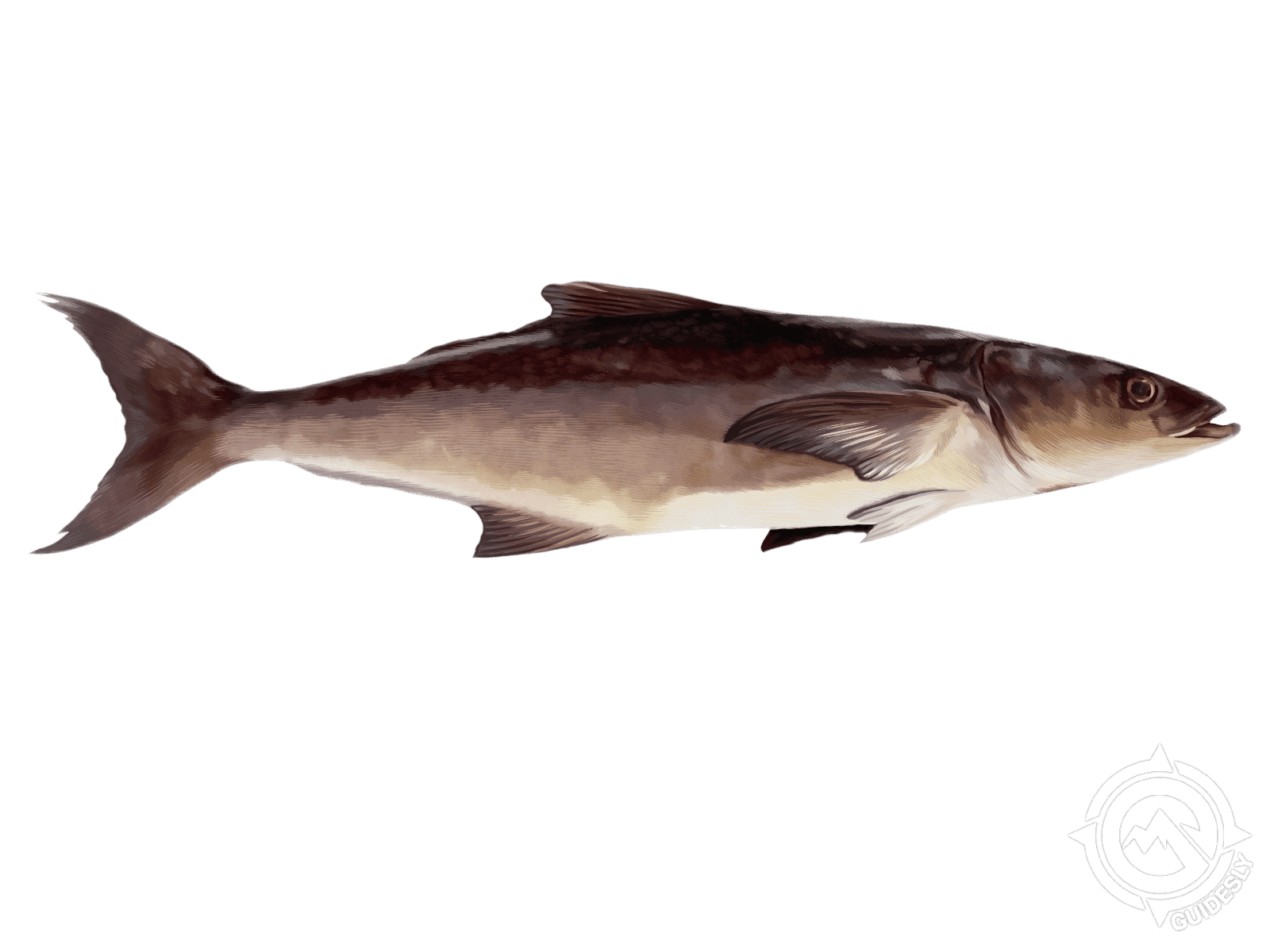
Cobia
Cobia are the loners of our waters - big, brown, and often mistaken for sharks when you first spot them. These fish average 30-50 pounds and can hit 100+, making them serious tackle-testers. They cruise around structure like buoys, wrecks, and channel markers in 30-70 feet, but also prowl shallow flats chasing rays. Spring migration brings the best action when they're moving through on their way north. What guests love is the sight-fishing aspect - you actually see these fish swimming near the surface before you cast. They're phenomenal table fare with firm, white meat that rivals any fish in our waters. The fight is pure power from start to finish. My go-to trick: throw a bucktail jig right in front of their nose and let it sink - they can't resist it.
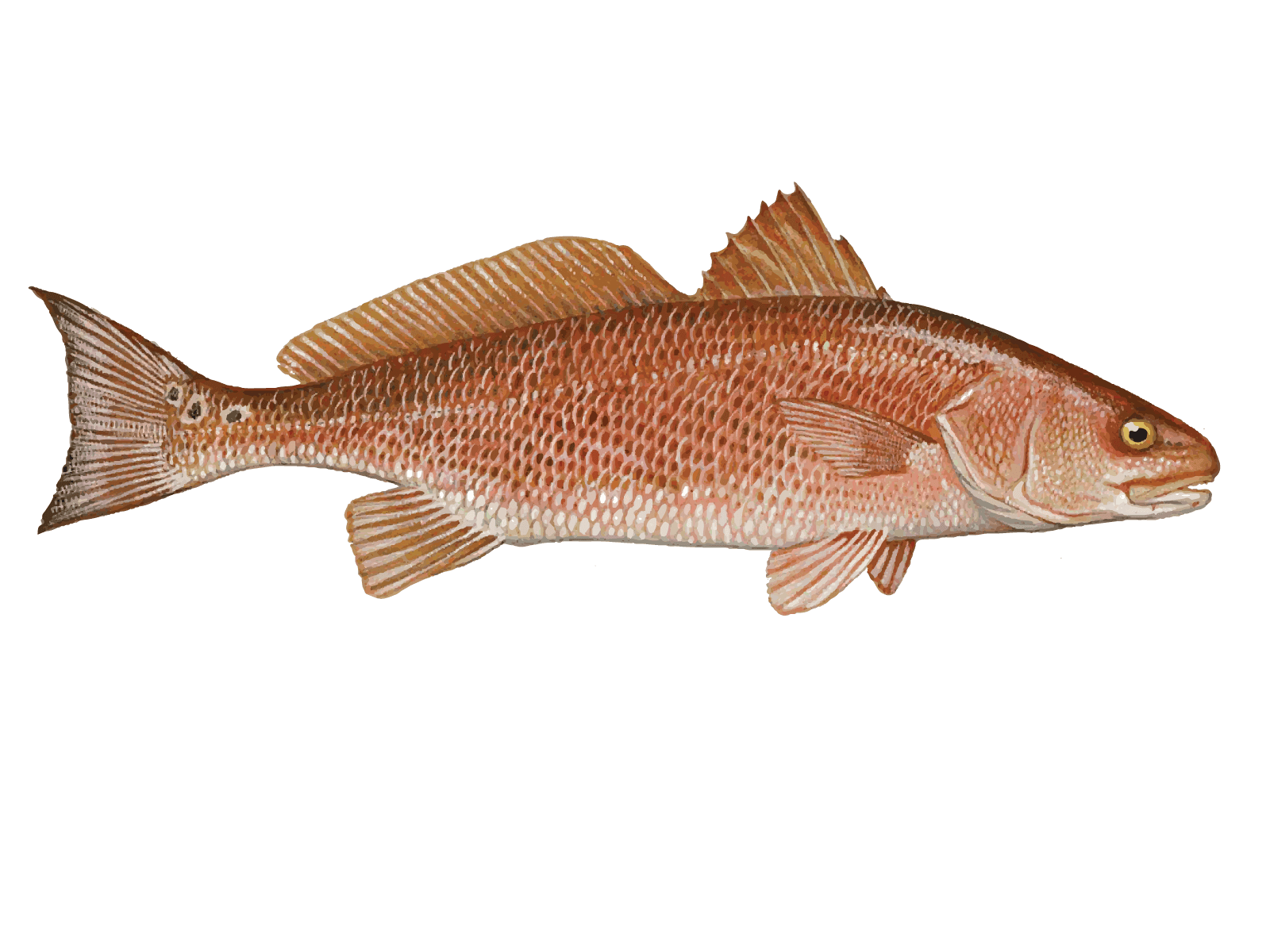
Redfish
The copper-colored kings of the flats, redfish are what most guests get fired up about. They run 20-40 inches and fight like bulldozers in skinny water. You'll find them tailing in 1-4 feet around oyster bars, grass beds, and mangrove shorelines. That distinctive black spot near the tail isn't just for looks - it fools predators into attacking the wrong end. Spring and fall are best when they're actively feeding, but summer mornings can be magic. What makes them special is the sight-fishing - watching a 30-inch red crush a topwater plug in two feet of water never gets old. They eat great too, with firm white meat. Local secret: look for muddy water where they're rooting for crabs. Cast past the mud and work your bait back through it.
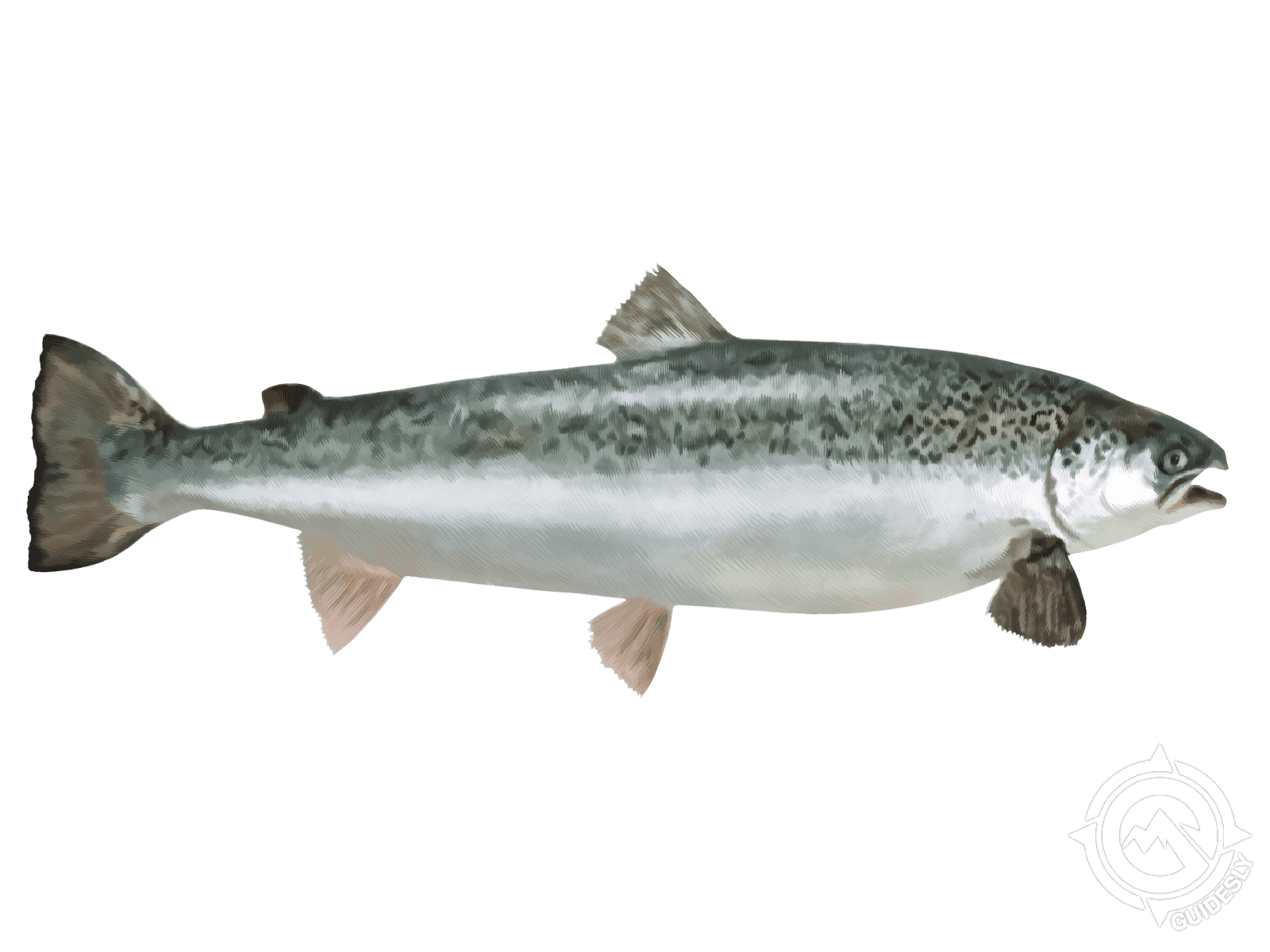
Sea Trout
Spotted sea trout are the bread and butter of grass flats fishing. Most run 14-24 inches and 1-5 pounds, with that classic silvery body covered in black spots. They love shallow grass beds and drop-offs near deeper water, especially around dawn and dusk. Cool weather concentrates them in deeper channels, while summer finds them scattered across the flats. What makes them special is their willingness to hit topwater lures - nothing beats that explosive surface strike. The meat is delicate and tasty, but don't overcook it or it gets mushy. They're not the hardest fighters, but they're consistent biters. Best local tip: work your lure slow and steady over the grass. When you see nervous water or baitfish scattering, that's your spot.
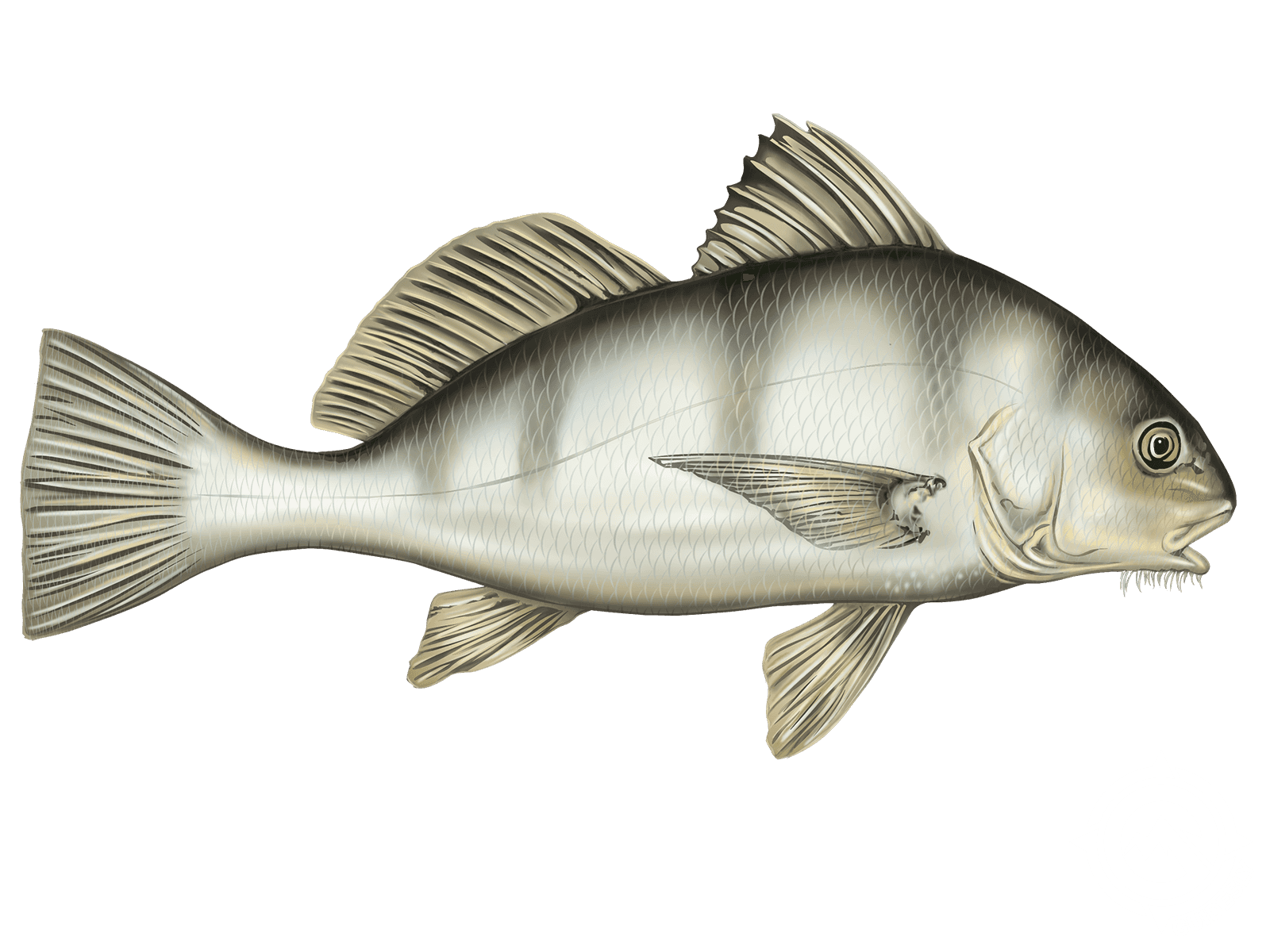
Black Drum
The bruisers of the drum family, these fish typically run 5-30 pounds but can push 90 pounds if you find the right hole. They cruise shallow mudflats, oyster beds, and creek mouths where they crush shellfish with powerful jaws. Spring spawning season is your best bet - they school up and make that distinctive drumming sound you can actually hear underwater. What guests love is their bulldogging fight and the challenge of sight-fishing the shallows. Keep the smaller ones under 15 pounds for eating - they're sweet and flaky. The big ones get tough. Pro tip: fresh blue crab is king for bait, but here's what most folks don't know - crush it up and let the scent spread. These fish hunt by smell as much as sight.
Black Sea Bass
These chunky members of the grouper family run 1-4 pounds on average, though you might hook into an 8-pounder if you're lucky. They love hanging around structure - think wrecks, rock piles, and old pilings in 20-120 feet of water. Spring through summer is prime time when they move closer to shore. What makes them fun is they'll hit almost anything - live bait, jigs, even plugs - and put up a solid scrap until they break the surface. The meat is excellent eating with a sweet, flaky texture. Here's a local trick: when you're working structure, drop your bait right to the bottom and give it a slow lift every few seconds. These fish are curious and that movement triggers strikes more than just sitting still.
About the Aquasport
%2F%2Fusers%2F4da868ef-85d6-44fe-a4c7-76c4d4736d25%2Fvehicle_picture%2Fimg_20251117_165726207_hdr-miqclddb.jpg&w=1920&q=75)
Vehicle Guest Capacity: 4
Manufacturer Name: Mercury
Maximum Cruising Speed: 30
Number of Engines: 1
Horsepower per Engine: 175