%2Ffit-in%2F250x250%2Fguide_websites%2F56714%2Fimages%2F1763516407260outpostalphalogo.jpg&w=1920&q=100)
/users/4da868ef-85d6-44fe-a4c7-76c4d4736d25/ratecard/20231014_130052-mi3pnqci.jpg)
%2F300x300%2Fusers%2F4da868ef-85d6-44fe-a4c7-76c4d4736d25%2Fratecard%2F20231014_130052-mi3pnqci.jpg&w=256&q=75)
%2F300x300%2Fusers%2F4da868ef-85d6-44fe-a4c7-76c4d4736d25%2Fimages%2Fredfish-caught-florida-2456.jpg&w=256&q=75)
%2F300x300%2Fusers%2F4da868ef-85d6-44fe-a4c7-76c4d4736d25%2Fimages%2Fsuccessful-fishing-florida-2470.jpg&w=256&q=75)
%2F300x300%2Fusers%2F4da868ef-85d6-44fe-a4c7-76c4d4736d25%2Fimages%2Fsheepshead-fishing-fl-2520.jpg&w=256&q=75)
%2F300x300%2Fusers%2F4da868ef-85d6-44fe-a4c7-76c4d4736d25%2Fimages%2Ffishing-adventure-florida-2424.jpg&w=256&q=75)
%2F300x300%2Fusers%2F4da868ef-85d6-44fe-a4c7-76c4d4736d25%2Fimages%2Fanglers-land-black-drum-florida-2357.jpg&w=256&q=75)
%2F300x300%2Fusers%2F4da868ef-85d6-44fe-a4c7-76c4d4736d25%2Fimages%2Fredfish-caught-fl-2649.jpg&w=256&q=75)
%2F300x300%2Fusers%2F4da868ef-85d6-44fe-a4c7-76c4d4736d25%2Fimages%2Fredfish-florida-fishing-2438.jpg&w=256&q=75)
%2F300x300%2Fusers%2F4da868ef-85d6-44fe-a4c7-76c4d4736d25%2Fimages%2Fspotted-weakfish-st-marks-fishing-2369.jpg&w=256&q=75)
%2F300x300%2Fusers%2F4da868ef-85d6-44fe-a4c7-76c4d4736d25%2Fimages%2Fsheepshead-fishing-florida-2395.jpg&w=256&q=75)
%2F300x300%2Fusers%2F4da868ef-85d6-44fe-a4c7-76c4d4736d25%2Fimages%2Fredfish-caught-st-marks-2453.jpg&w=256&q=75)
Premier St. Marks Inshore Fishing - Outpost Alpha
What you will be catching:
 Black Drum
 Black Sea Bass
 Cobia
Cobia Redfish
 Sea Trout
- 4-hour sunrise fishing adventure targeting multiple Gulf species
- Inshore flats and offshore bottom fishing with tackle included
- Small group experience with expert guidance for all skill levels
Trip Pricing and Availabilities:
Half Day Morning Fishing Trip - St. Marks, FL
There's something special about being on the water at sunrise in St. Marks, Florida, and Captain Leigh Wills knows exactly where to take you for some of the best inshore fishing on the Forgotten Coast. This 4-hour morning trip starts early when the fish are most active, giving you prime time on scenic grass flats before heading out to deeper Gulf waters for some solid bottom fishing action. Whether you're bringing the family for their first fishing adventure or you're a seasoned angler looking to add some variety to your logbook, this trip delivers consistent results in one of Florida's most productive fishing areas.
What to Expect on the Water
Your morning kicks off before dawn, meeting Captain Leigh at the St. Marks launch where you'll board a well-equipped boat designed for both shallow water maneuvers and offshore runs. The first part of your trip takes place on the famous grass flats that make this area a top-rated destination for inshore species. As the sun comes up, you'll be casting for redfish, sea trout, and black drum in water so clear you can often see your target before you cast. The captain knows these flats like his backyard - every pothole, every edge, and every spot where fish like to hang out during different tides and weather conditions. After working the shallows, you'll head offshore into the Gulf of Mexico where the bottom fishing gets serious. Here, you'll drop lines for black sea bass, cobia, and whatever else is biting in 20-40 feet of water. The transition from sight fishing in skinny water to bottom fishing offshore gives you a complete taste of what makes St. Marks fishing so diverse and productive.
Gear Setup & Fishing Style
Captain Leigh provides all the tackle you'll need, from light spinning gear perfect for working the flats to heavier bottom rigs for the offshore portion of your trip. On the grass flats, you'll be using artificial lures like soft plastics, topwater plugs, and spoons - techniques that let you cover water efficiently while staying quiet enough not to spook fish in the shallows. The captain will show you how to read the water, spot fish movement, and present your bait naturally in the current. When you move offshore, the approach changes completely. You'll be using circle hooks with cut bait or live bait, learning how to feel the bottom and detect those subtle bites that signal a keeper fish. The boat is equipped with quality rods, reels, and terminal tackle, plus a good fish finder to locate structure and baitfish offshore. Since this is a guided trip, you don't need to worry about bringing anything except your Florida fishing license - though the captain can help arrange that too if you need it.
Species You'll Want to Hook
Redfish are the crown jewel of St. Marks inshore fishing, and these copper-colored bruisers put up fights that'll test your drag system. Most reds in this area run 18-27 inches, perfect eating size, and they're aggressive feeders on the grass flats, especially during moving tides. You'll find them cruising in schools or tailing in shallow water, and when you hook one, expect a powerful run toward the nearest structure. Fall through spring offers the most consistent redfish action, but they're catchable year-round if you know where to look.
Sea trout, or speckled trout as locals call them, are abundant in St. Marks waters and provide some of the most fun light-tackle fishing you'll find. These spotted beauties love grass flats and drop-offs, hitting topwater lures with explosive strikes that'll get your heart pumping. Most specks here run 14-20 inches, and they're excellent table fare when handled properly. They're most active during cooler months, but early morning trips like this one give you the best shot at quality fish even in warmer weather.
Black drum might not win beauty contests, but they're powerful fighters that'll give you a workout on medium tackle. These bottom feeders love oyster bars and structure around St. Marks, and they're notorious for their bulldogging fights that test your technique. Most drums caught here range from 16-30 inches, and they're particularly active during spring months when they move shallow to spawn. Their drumming sound underwater often gives away their location to experienced guides.
Black sea bass are the bread and butter of offshore bottom fishing in the Gulf, and they're some of the best eating fish you'll encounter. These stocky fighters live around hard bottom and structure in 20-60 feet of water, and they're aggressive biters that make for steady action. Most bass here run 12-16 inches, and they're available year-round with peak action during cooler months. They're perfect for families since they bite readily and don't require advanced technique to catch consistently.
Cobia are the wild card species that can show up anytime during warmer months, usually following rays or cruising structure in deeper water. These brown sharks (that's what many locals call them) are powerful fighters that can reach 20-40 pounds in these waters, making them a prized catch for any angler. They're curious fish that often approach the boat, giving you sight-fishing opportunities that create lasting memories. Peak cobia season runs from late spring through early fall, and they're considered some of the best eating fish in the Gulf.
Time to Book Your Spot
This half-day morning trip offers the perfect introduction to St. Marks fishing without eating up your entire day, leaving time for other Forgotten Coast activities or just relaxing after your time on the water. With only 4 spots available per trip, Captain Leigh can provide personalized attention that helps both beginners and experienced anglers improve their skills and increase their catch rates. The early morning timing means you'll beat the heat, avoid afternoon weather, and fish during the most productive hours when these species are actively feeding. Whether you're looking for your first redfish, want to add some variety to your fishing experience, or just need a few hours away
Learn more about the species
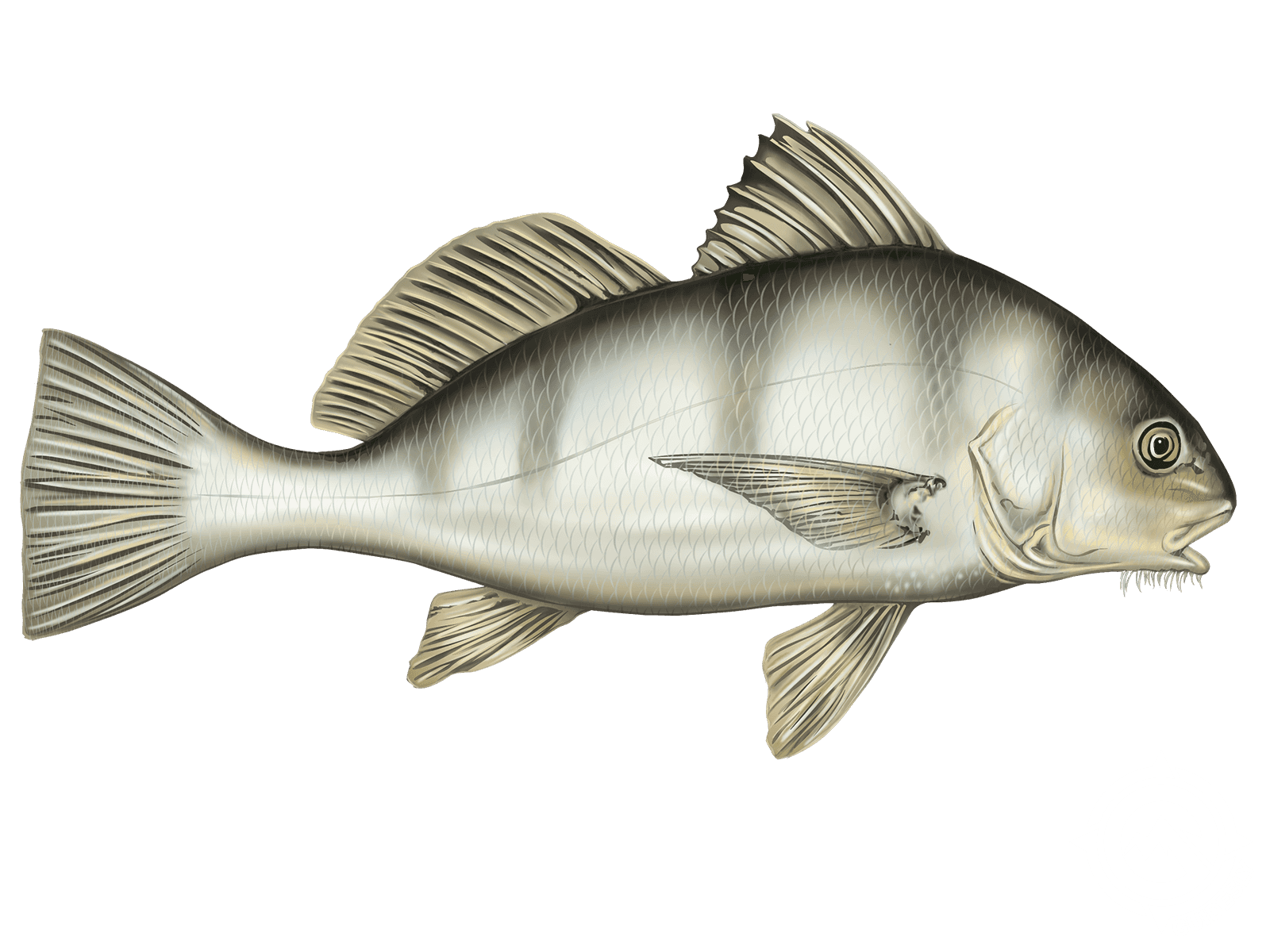
Black Drum
Black Drum are the heavyweights of the drum family, typically running 5-30 pounds but capable of hitting 90 pounds. These powerful fish love shallow muddy flats, oyster beds, and brackish waters where they crush shellfish with their strong jaws. Spring is prime time when they school up for spawning, making them much easier to target. They're famous for their deep, drumming sounds you can actually hear underwater. The smaller ones under 15 pounds make great table fare, while the big bulls are better released. They're bottom feeders, so fresh crab, clams, or cut bait works best. My go-to tip: use blue crab because it stays on the hook better and doesn't get picked off by catfish. Fish around oyster bars at first light for your best shot at a monster.
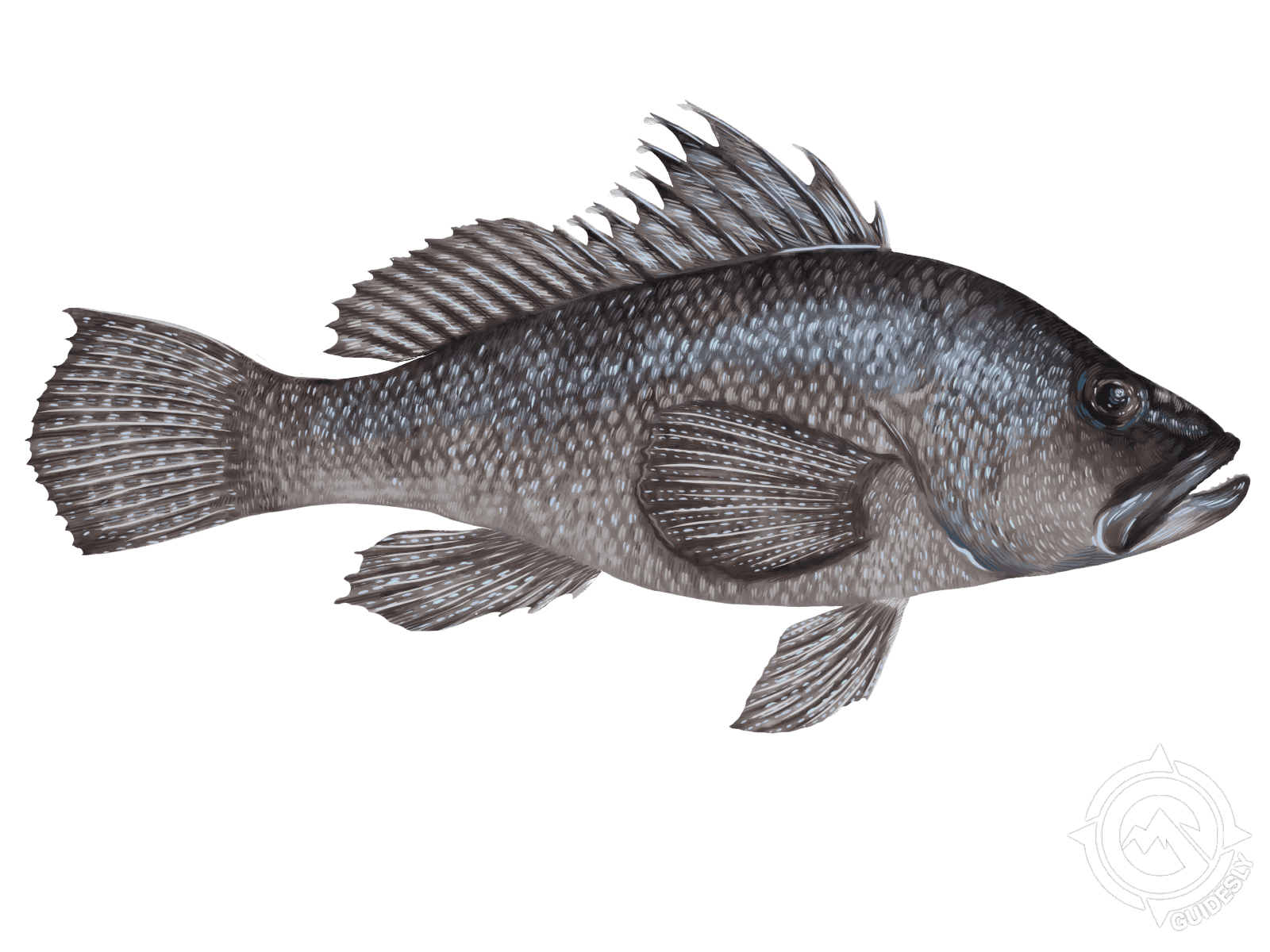
Black Sea Bass
Black Sea Bass are part of the grouper family and typically run 1-4 pounds, though they can reach up to 8 pounds. You'll find them around rocky bottoms, wrecks, and structure in 20-120 feet of water. They're most active from late spring through summer when they move closer to shore. What makes them fun to target is their solid fight until they break the surface, plus they're excellent eating with firm, white meat. These fish are bottom feeders but will hit jigs and live bait like squid strips. Here's a local tip: use a two-hook rig with squid on the bottom hook and a small piece on top - the scent draws them in, and you'll often get doubles. Their season runs February 1-28 and May 15-December 31, so timing your trip matters.
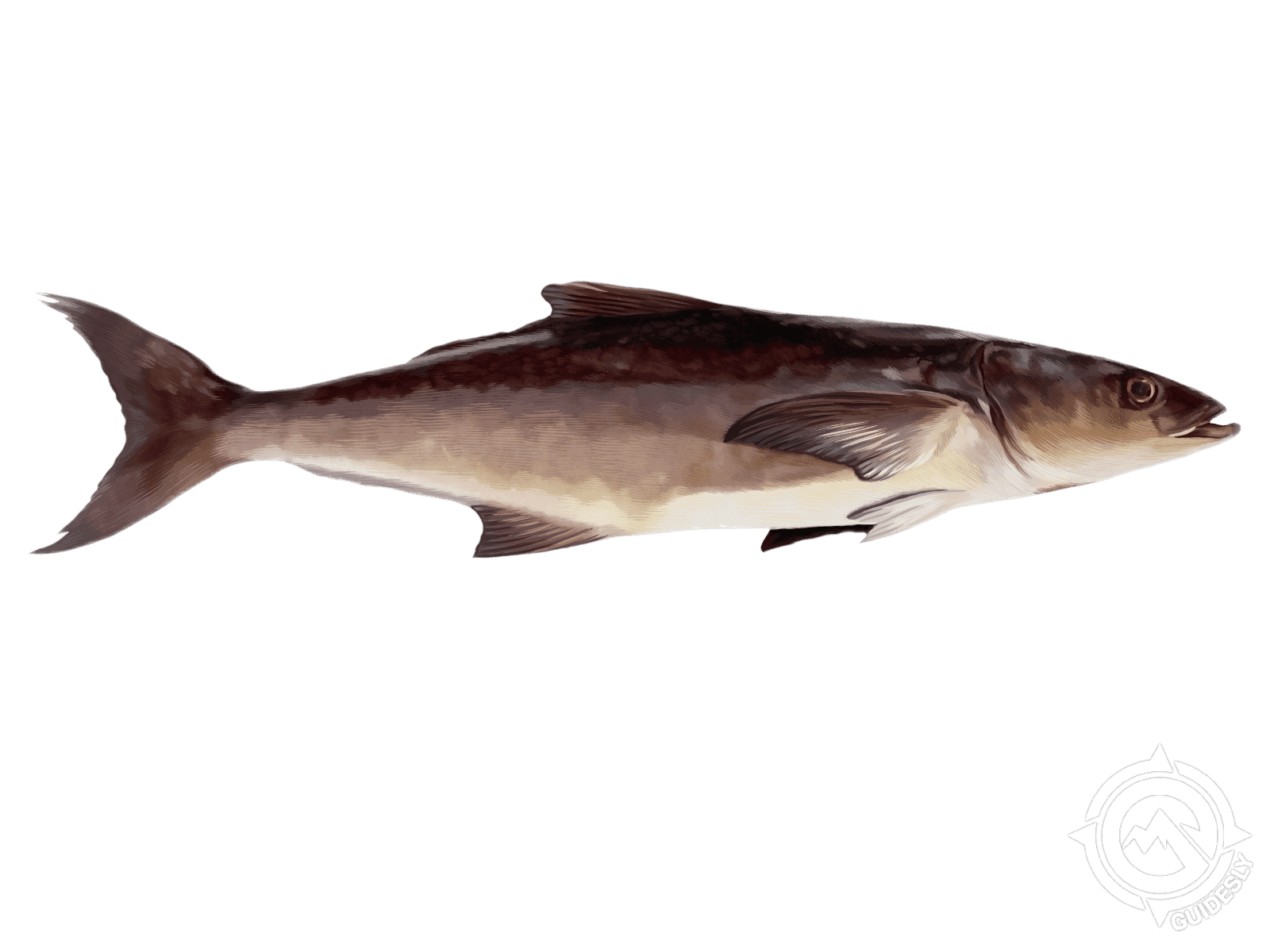
Cobia
Cobia are the "brown sharks" that get your heart racing until you see that single dorsal fin. These bruisers average 30-50 pounds and can top 100 pounds. They're loners, preferring to cruise around structure like buoys, wrecks, and channel markers in 20-100 feet of water. Spring migration (April-June) is prime time when they move through our area heading north. What guests love about cobia is the visual fishing - you can actually see them swimming near the surface, plus they're incredible table fare with firm, white meat. They're aggressive predators that will eat crabs, squid, and small fish. These fish fight hard and long, making multiple runs. Here's my local secret: when you spot one, cast a bucktail jig well ahead and let it sink slowly. They're curious and will often follow before striking.
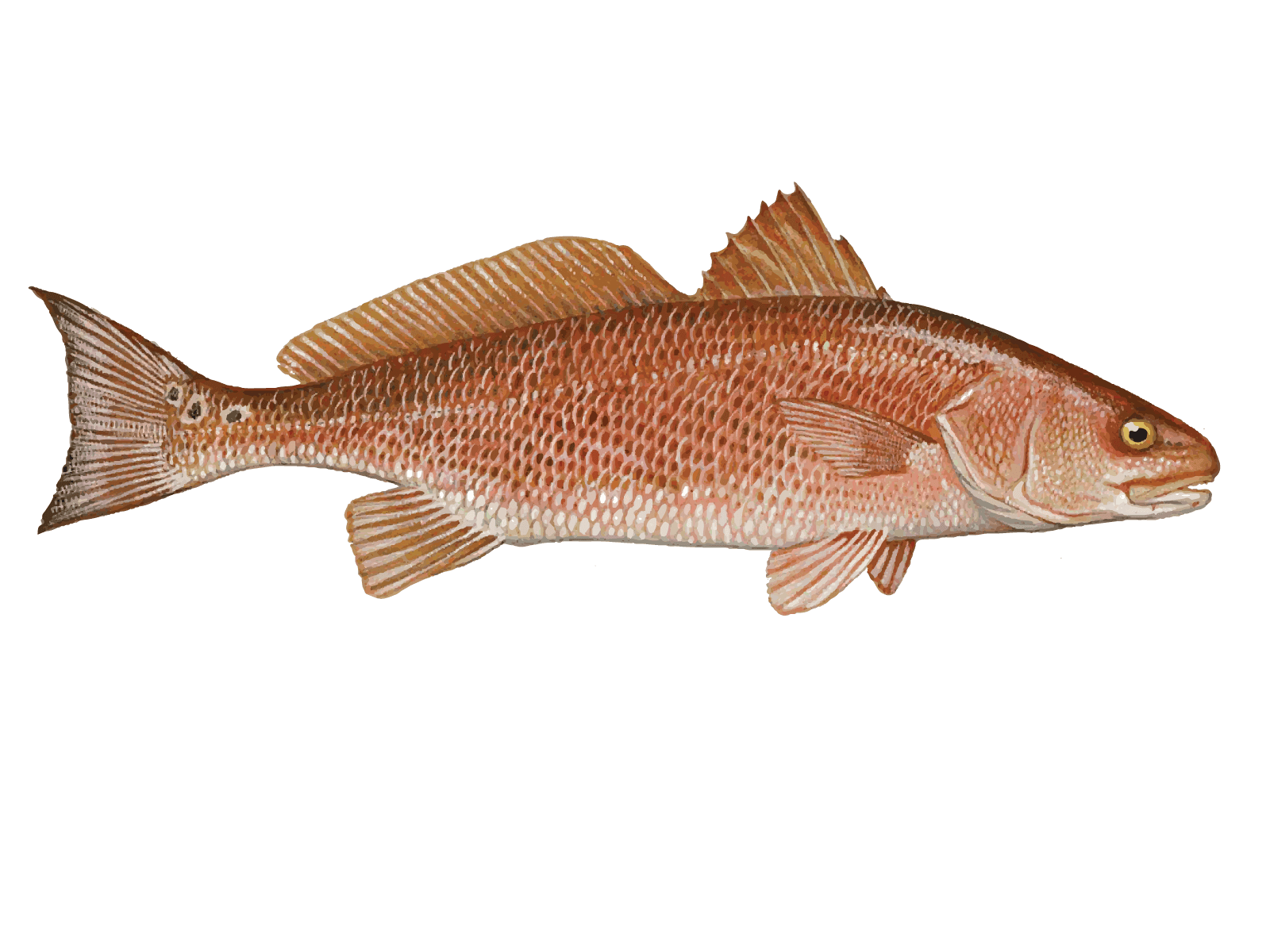
Redfish
Redfish, or Red Drum, are the stars of our shallow water fishing. These copper-colored beauties typically run 20-40 inches and are easily spotted by their distinctive black spots near the tail. They love super shallow water - sometimes so shallow their backs show above the surface. Look for them on grass flats, oyster bars, and around mangrove shorelines in 1-4 feet of water. They're active year-round but really turn on during cooler months when they school up. What makes reds special is their aggressive strikes and bulldogging fights. Plus, the slot-sized fish (18-27 inches) are fantastic eating. They'll hit everything from topwater plugs to live shrimp. My favorite local trick: cast past a cruising red and work your bait back toward their nose. They can't resist an easy meal swimming right in front of them.
Sea Trout
Spotted Sea Trout, or "specks," are one of our most popular inshore targets. They typically run 14-24 inches and 1-5 pounds, with their distinctive silver bodies covered in black spots. You'll find them over grass flats in 2-8 feet of water, especially during low light periods. They're most active in spring and fall when water temps are comfortable. What anglers love about trout is their willingness to hit artificial lures and their excellent table fare - soft, white, flaky meat that's perfect for the dinner table. They feed on shrimp, small crabs, and baitfish. These fish can be finicky, so vary your retrieve until you find what they want. A local trick: work your lure just above the grass tops with a slow, twitching motion. The strike often comes right when you pause the bait.
About the Aquasport
%2F%2Fusers%2F4da868ef-85d6-44fe-a4c7-76c4d4736d25%2Fvehicle_picture%2Fimg_20251117_165726207_hdr-miqclddb.jpg&w=1920&q=75)
Vehicle Guest Capacity: 4
Manufacturer Name: Mercury
Maximum Cruising Speed: 30
Number of Engines: 1
Horsepower per Engine: 175