%2Ffit-in%2F250x250%2Fguide_websites%2F56714%2Fimages%2F1763516407260outpostalphalogo.jpg&w=1920&q=100)
/users/4da868ef-85d6-44fe-a4c7-76c4d4736d25/ratecard/46c1f0e6baf29bad0dfcb7638328c706-mi5boxe8.jpg)
%2F300x300%2Fusers%2F4da868ef-85d6-44fe-a4c7-76c4d4736d25%2Fratecard%2F46c1f0e6baf29bad0dfcb7638328c706-mi5boxe8.jpg&w=256&q=75)
%2F300x300%2Fusers%2F4da868ef-85d6-44fe-a4c7-76c4d4736d25%2Fimages%2Fredfish-caught-florida-2456.jpg&w=256&q=75)
%2F300x300%2Fusers%2F4da868ef-85d6-44fe-a4c7-76c4d4736d25%2Fimages%2Fsuccessful-fishing-florida-2470.jpg&w=256&q=75)
%2F300x300%2Fusers%2F4da868ef-85d6-44fe-a4c7-76c4d4736d25%2Fimages%2Fsheepshead-fishing-fl-2520.jpg&w=256&q=75)
%2F300x300%2Fusers%2F4da868ef-85d6-44fe-a4c7-76c4d4736d25%2Fimages%2Ffishing-adventure-florida-2424.jpg&w=256&q=75)
%2F300x300%2Fusers%2F4da868ef-85d6-44fe-a4c7-76c4d4736d25%2Fimages%2Fanglers-land-black-drum-florida-2357.jpg&w=256&q=75)
%2F300x300%2Fusers%2F4da868ef-85d6-44fe-a4c7-76c4d4736d25%2Fimages%2Fredfish-caught-fl-2649.jpg&w=256&q=75)
%2F300x300%2Fusers%2F4da868ef-85d6-44fe-a4c7-76c4d4736d25%2Fimages%2Fredfish-florida-fishing-2438.jpg&w=256&q=75)
%2F300x300%2Fusers%2F4da868ef-85d6-44fe-a4c7-76c4d4736d25%2Fimages%2Fspotted-weakfish-st-marks-fishing-2369.jpg&w=256&q=75)
%2F300x300%2Fusers%2F4da868ef-85d6-44fe-a4c7-76c4d4736d25%2Fimages%2Fsheepshead-fishing-florida-2395.jpg&w=256&q=75)
%2F300x300%2Fusers%2F4da868ef-85d6-44fe-a4c7-76c4d4736d25%2Fimages%2Fredfish-caught-st-marks-2453.jpg&w=256&q=75)
Expert-Guided Inshore Fishing in St. Marks, FL
What you will be catching:
 Black Drum
 Black Sea Bass
 Cobia
Cobia Redfish
 Sea Trout
- 6-hour guided inshore fishing trip targeting redfish, trout, and drum
- Expert captain provides equipment and instruction for up to 4 guests
- Authentic Nature Coast experience away from crowded tourist areas
Trip Pricing and Availabilities:
Reel in the Action: St. Marks Inshore Fishing
Get ready to wet a line in some of Florida's most productive inshore waters! This 6-hour trip with Captain Leigh Wills puts you right in the thick of St. Marks' legendary fishing grounds. Whether you're itching to battle a bull redfish or finesse some specks, we've got you covered. Bring the whole crew - up to 4 anglers can join in on the fun. No need to sweat the gear either, we'll set you up with everything you need to land the big one.
What to Expect on the Water
As soon as we shove off from the dock, you'll see why they call this the Forgotten Coast. Miles of unspoiled shoreline, winding creeks, and sprawling grass flats stretch out before us. Captain Leigh knows these waters like the back of his hand, so we'll waste no time getting to the honey holes. Expect to hit a mix of spots - from drifting the flats for trout to working structure for redfish. The beauty of inshore fishing is how quickly things can change. One minute you're sight-casting to tailing reds, the next you're battling a bruiser black drum that inhaled your bait. No two trips are the same, but the action is always hot.
Techniques That Get Results
Leave the guesswork at home - we've got the methods dialed in to put fish in the boat. Depending on conditions and what's biting, we might chunk live bait, work soft plastics, or even break out the fly rods. For redfish, nothing beats a well-placed gold spoon or scented jerkbait. Trout are suckers for a popping cork rig with a live shrimp. And if the black drum are thick, we'll set up a bottom fishing spread with cut bait or fiddler crabs. Captain Leigh is always happy to show you the ropes or let experienced anglers do their thing. Either way, you're in for some rod-bending action.
Species You'll Want to Hook
Redfish: The crown jewel of inshore fishing, reds put up a stubborn fight and grow to impressive sizes. In the shallows, you might spot their signature tail waving above the surface as they root for crabs. Fall is prime time when big schools push into the flats, but you can tangle with these copper-colored bruisers year-round.
Sea Trout: Also known as speckled trout, these tasty game fish are a staple of St. Marks fishing. They love to ambush bait in the grass flats and around oyster bars. Spring and fall see the biggest concentrations, but you can catch them any time of year. There's nothing quite like the subtle 'thump' when a gator trout inhales your lure.
Black Drum: The often-overlooked cousins of redfish, black drum can grow to massive sizes. They're not the prettiest fish in the sea, but man can they pull! Look for them around docks, bridges, and other structure. Winter is prime time when big schools move into the area. Drum are suckers for crabs and shrimp - when you hook up, hold on tight!
Cobia: These curious fish are migratory, showing up in St. Marks waters during spring and fall. They're known for following large rays, so keep your eyes peeled for dark shadows in the water. Cobia grow big and fight hard - landing one is always a trip highlight. They'll eagerly take live bait or artificials worked near the surface.
Black Sea Bass: While not as glamorous as some other species, these tasty bottom-dwellers are always fun to catch. They hang around rocky areas and reefs, eagerly gobbling up cut bait or small jigs. Sea bass might be small, but they're delicious eating and great for introducing kids to fishing.
Why Anglers Keep Coming Back
St. Marks isn't just about the fishing - it's the whole package. As we cruise the waterways, you'll soak in views of pristine coastal wilderness. Dolphins often join us, playfully surfing our wake. Ospreys and bald eagles soar overhead, while herons stalk the shallows. It's not uncommon to spot gators sunning themselves on the banks. This unspoiled slice of Old Florida is becoming increasingly rare, and experiencing it from the water is something special. Add in world-class fishing action, and it's easy to see why folks can't get enough of St. Marks.
Time to Book Your Spot
Whether you're a seasoned angler or wetting a line for the first time, this trip has something for everyone. Captain Leigh's expert knowledge and easygoing style make for a day you won't soon forget. With all the gear provided and licenses taken care of, all you need to do is show up ready for action. Remember, we can only take 4 guests, so don't wait to lock in your date. The fish are biting, and St. Marks is calling - let's get out there and make some memories!
Learn more about the species
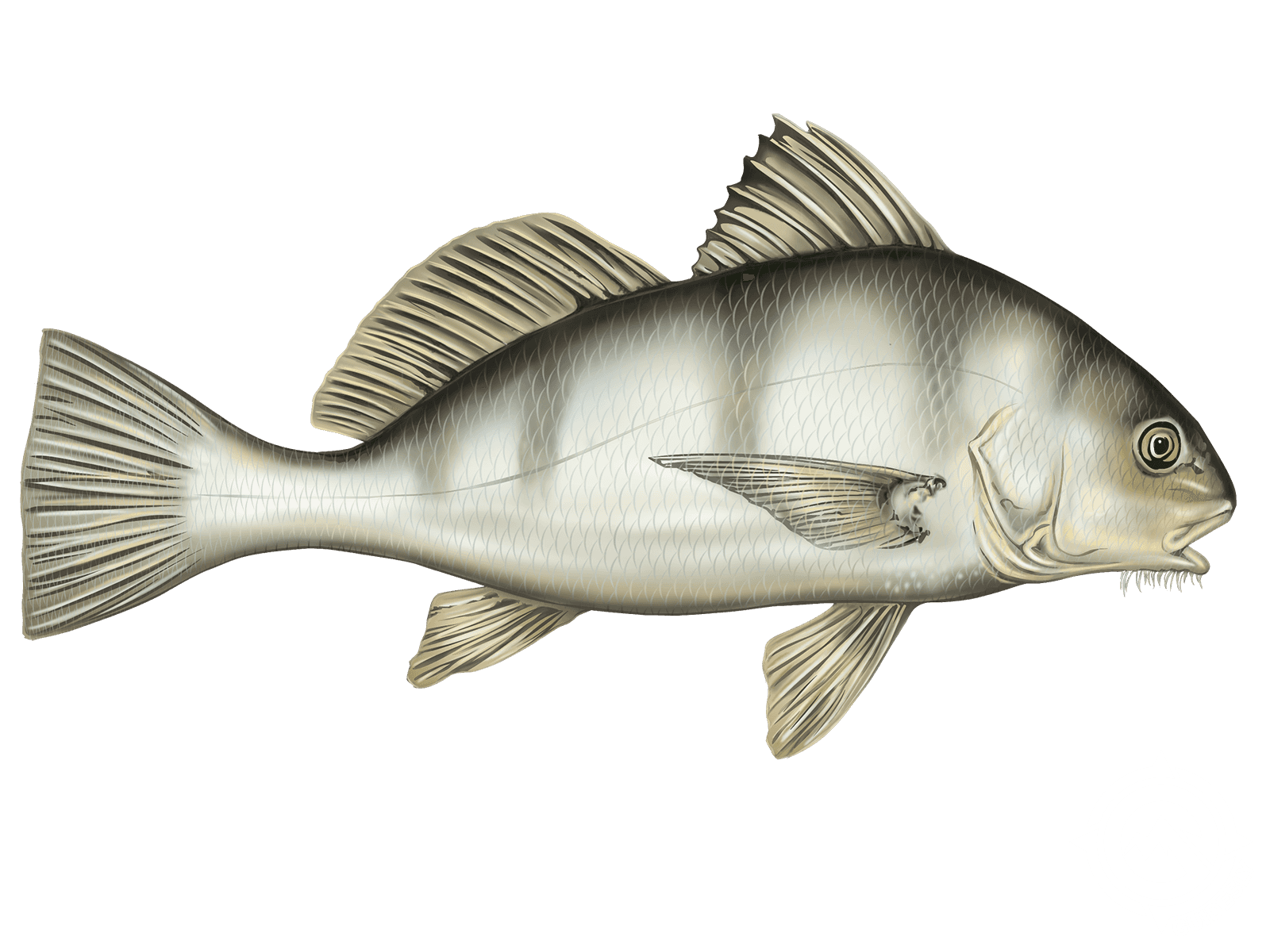
Black Drum
Black drum are one of our hardest-fighting inshore species. These powerful fish average 5-30 pounds, but giants over 50 pounds aren't uncommon. You'll find them in brackish water around oyster beds, mudflats, and creek mouths. Spring is prime time as they school up to spawn. Black drum use their throat teeth to crush crabs and shellfish, so fresh crab or shrimp on a fish-finder rig is tough to beat. When you hook one, be ready for some serious pulling - they'll use their broad bodies to dig in and test your drag. Smaller "puppy drum" under 15 pounds are best for eating, with a sweet, flaky meat. For the big ones, I like using a 7-foot medium-heavy rod with 30-pound braid. A local trick is to listen for their distinctive drumming sound to locate schools in shallow water.
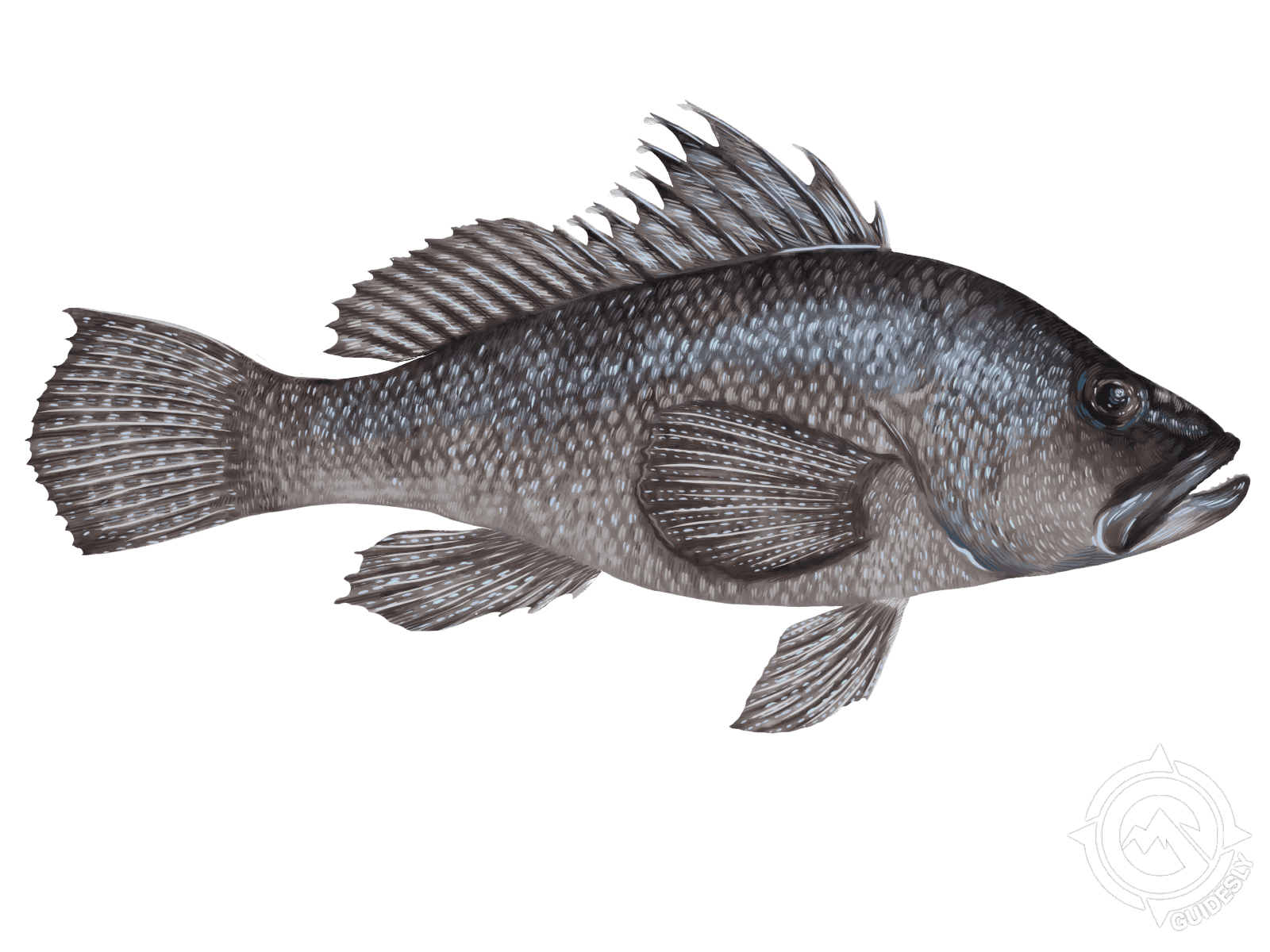
Black Sea Bass
Black sea bass are a tasty inshore target here in St. Marks. These plump-bodied fish typically run 1-4 pounds, though trophy specimens can reach 8 pounds or more. Look for them around structure like jetties, wrecks, and reefs in 30-120 feet of water. They're most active in late spring and summer when they move closer to shore. Black sea bass put up a scrappy fight on light tackle and make excellent table fare with their mild, flaky white meat. To catch them, I like to use a two-hook bottom rig baited with squid or cut fish. Let it sit on the bottom, then be ready for their quick, aggressive bite. These fish can be leader-shy, so I'll often downsize to 20-pound fluorocarbon to get more bites. Their strong jaws can easily crush shellfish, so make sure you're using sturdy hooks.
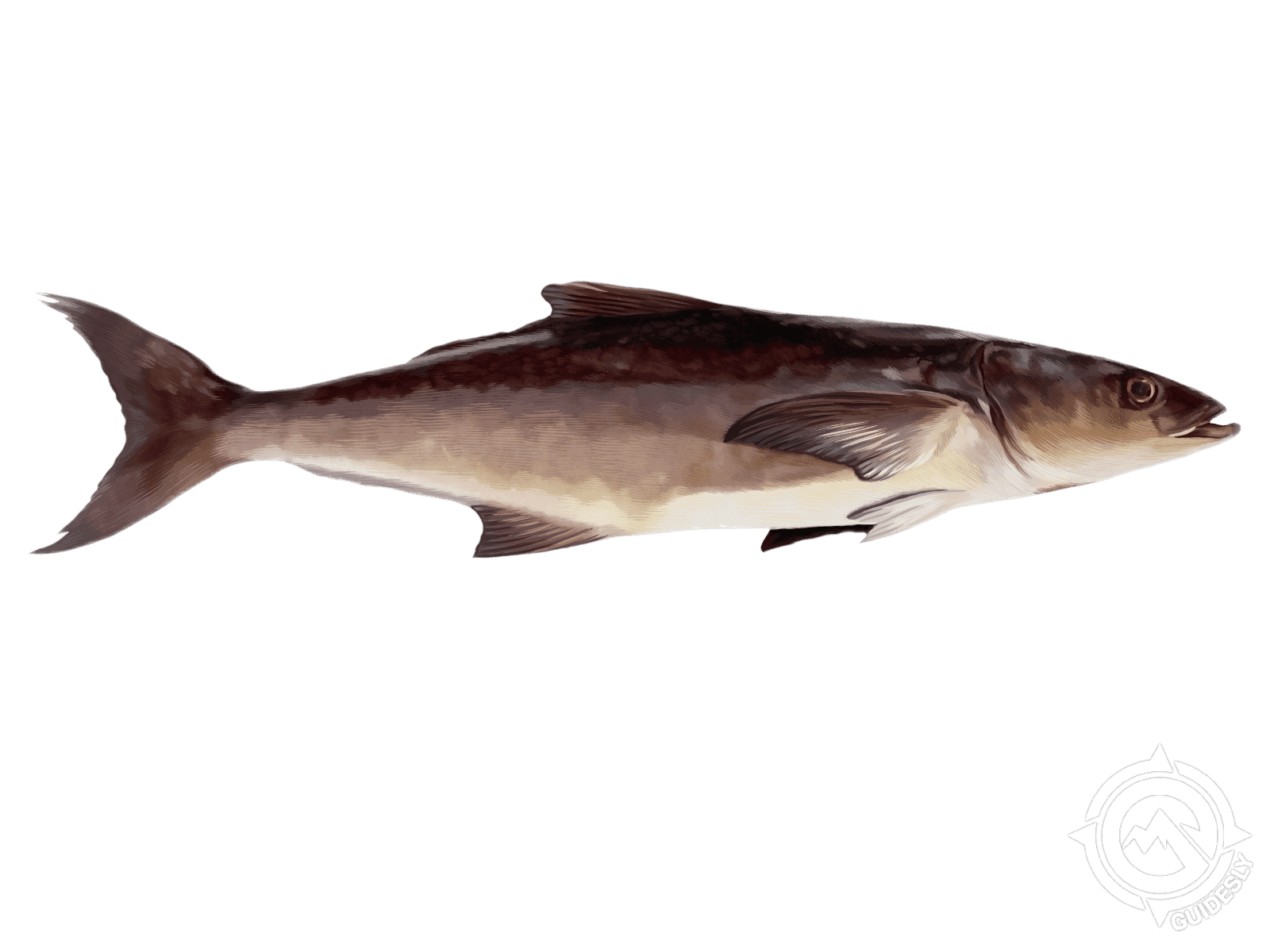
Cobia
Cobia are one of our most sought-after seasonal visitors. These streamlined fighters show up in spring, following rays and turtles into our waters. They typically run 20-50 pounds, but 100-pounders aren't unheard of. Look for them near buoys, wrecks, and other structure in 30-70 feet of water. Cobia are curious fish and will often investigate boats, making them great targets for sight fishing. They're prized for both their hard-fighting ability and excellent table fare. To catch them, I like using large bucktail jigs or live eels. One local trick: when you spot a cobia, cast well past it and retrieve quickly across its path. Their predatory instincts often trigger an immediate strike. Just be ready for a long, dogged fight - cobia are known for their endurance and will test both your tackle and your arms.
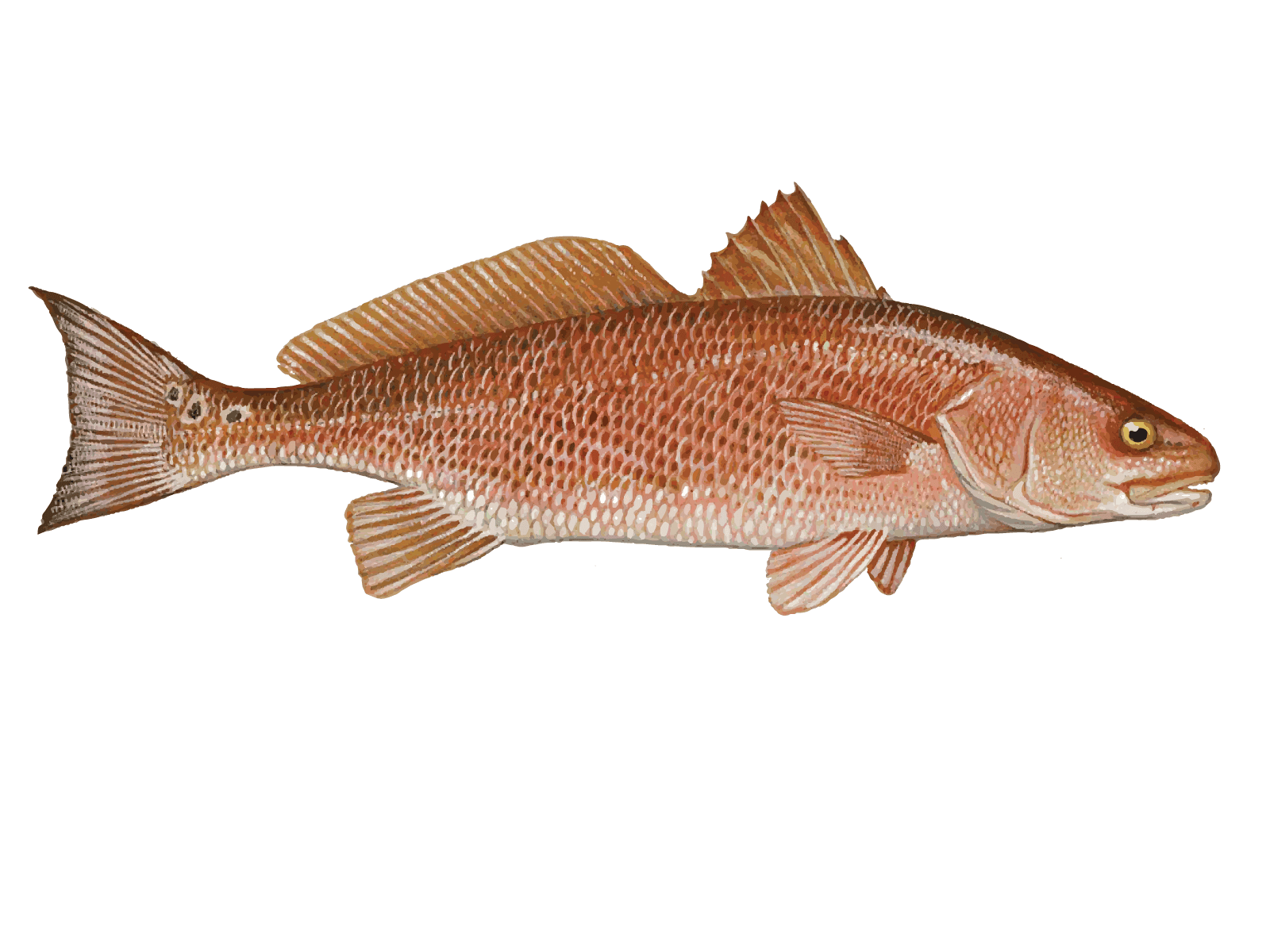
Redfish
Redfish, or red drum, are one of our most popular inshore targets. These copper-colored bruisers average 3-12 pounds inshore, but bulls over 40 inches aren't uncommon. Look for them tailing in shallow grass flats or cruising near oyster bars. They're year-round residents, but fall is prime time as they school up. Redfish are known for their powerful runs and delicious white meat. To catch them, I like sight-fishing with gold spoons or scented soft plastics. When blind casting, a popping cork rig with live shrimp is hard to beat. One local trick: on calm days, look for their distinctive v-wake as they push water in the shallows. Cast ahead of the wake and hold on tight - when a red hits, you'll know it. Just be ready to loosen your drag if you hook into a big one, as they can make blistering runs.
Sea Trout
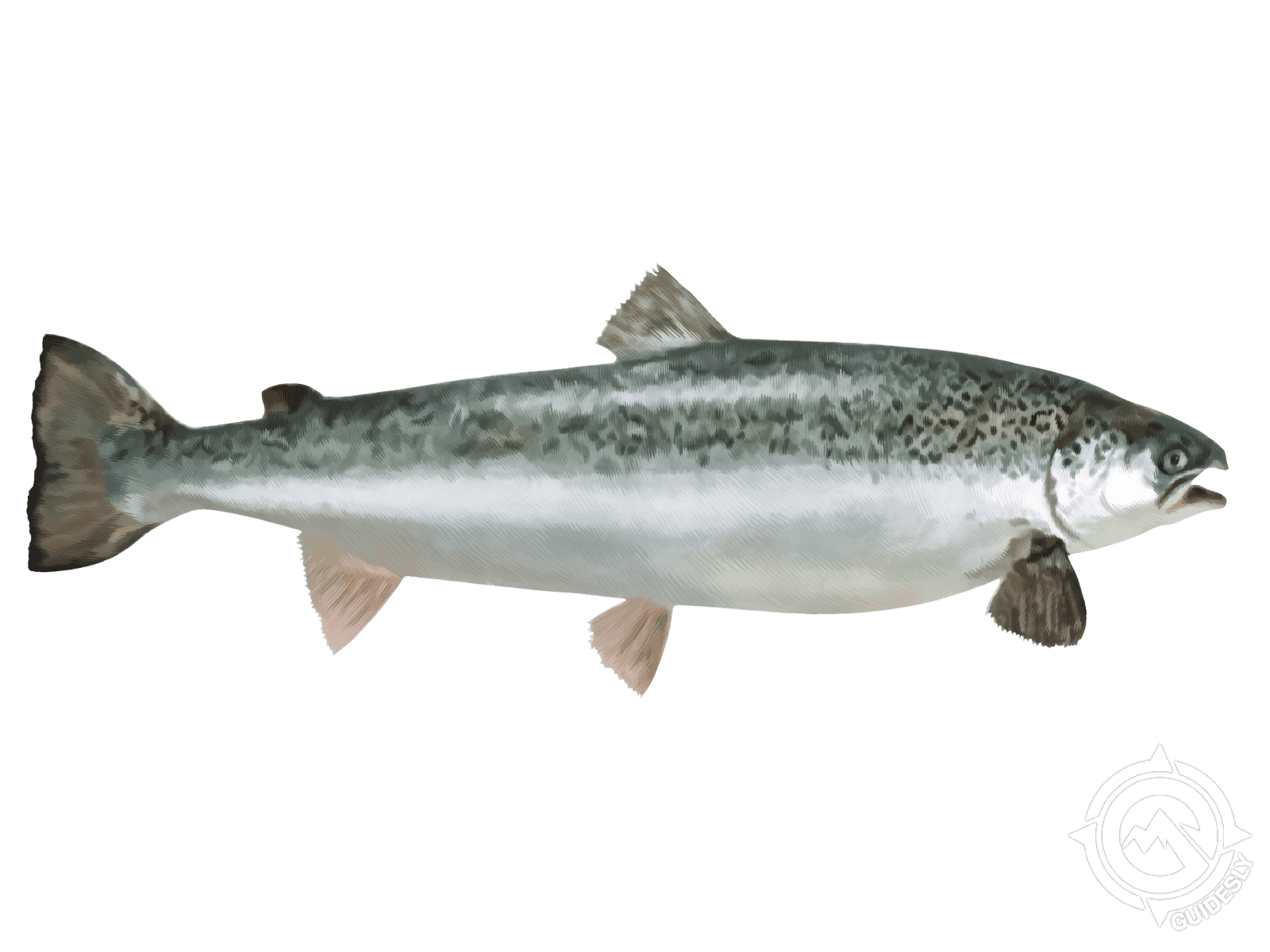
Spotted sea trout, or "specks" as we call them, are a staple of our inshore fishing. These silvery fish with black spots typically run 14-20 inches and 1-3 pounds. You'll find them in grass flats and shallow waters, especially at night. They're most active in spring and fall when water temps are mild. Sea trout are known for their soft, delicate meat, but they're also fun to catch. They'll readily hit topwater lures, making for exciting visual strikes. When fishing deeper water, I like using a popping cork rig with live shrimp. It mimics the sound of feeding trout and can trigger a bite. One tip: when you feel that telltale tap-tap, wait a second before setting the hook. Trout often grab a bait crosswise before turning it to swallow. That pause lets them get it in their mouth for a better hookset.
About the Aquasport
%2F%2Fusers%2F4da868ef-85d6-44fe-a4c7-76c4d4736d25%2Fvehicle_picture%2Fimg_20251117_165726207_hdr-miqclddb.jpg&w=1920&q=75)
Vehicle Guest Capacity: 4
Manufacturer Name: Mercury
Maximum Cruising Speed: 30
Number of Engines: 1
Horsepower per Engine: 175